A Beginner's Guide to DIY Legal Document Preparation


Understanding DIY Legal Document Preparation
Preparing legal documents on your own can seem daunting, but with the right tools and information, it can be a manageable task. DIY legal document preparation involves creating your own legal documents without the direct assistance of a lawyer. This approach can save money and provide a sense of empowerment. However, it's essential to approach this task with caution to ensure the accuracy and legality of your documents.
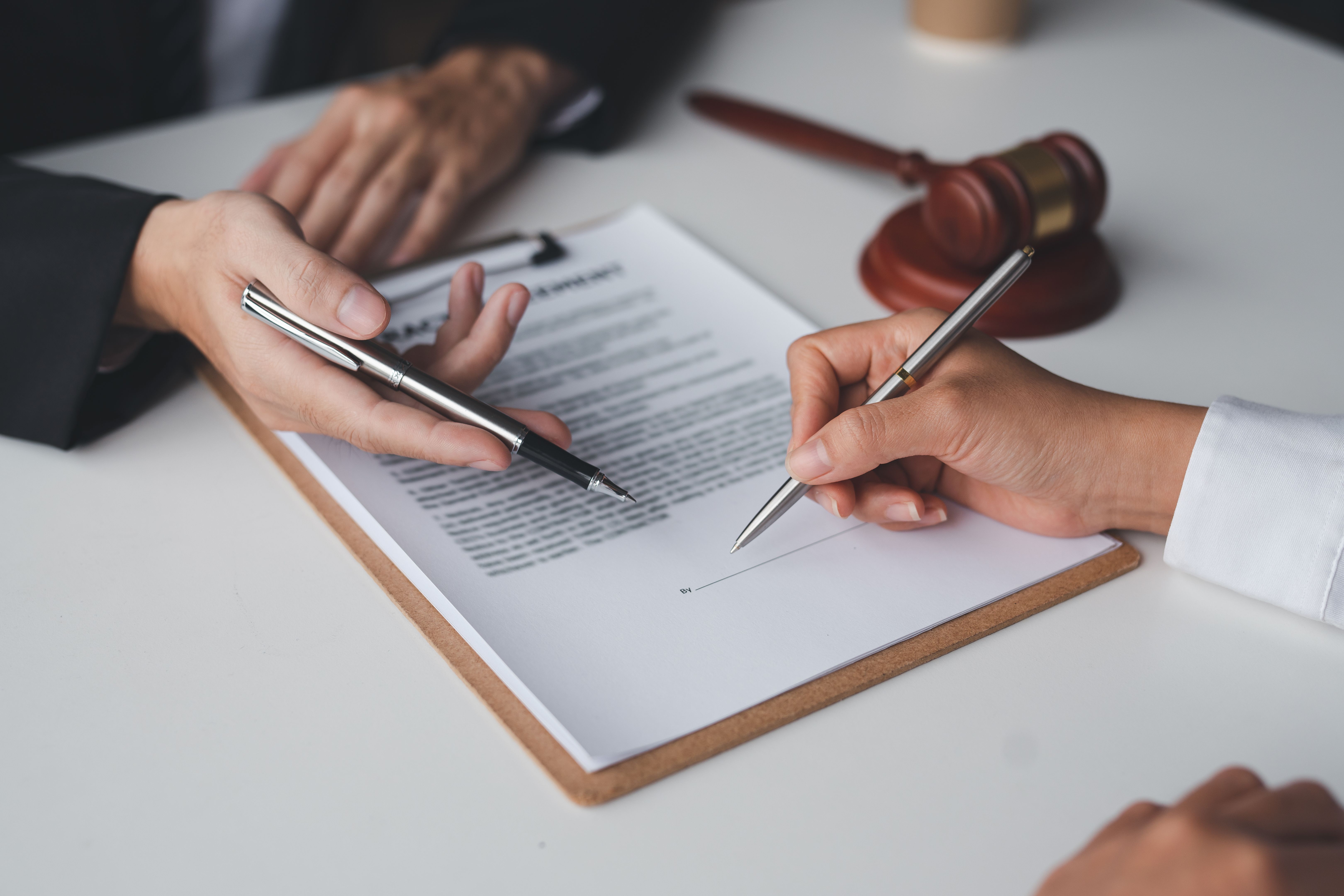
Benefits of DIY Legal Document Preparation
One of the most significant advantages of preparing your own legal documents is the cost savings. Hiring a lawyer for every legal matter can be expensive, whereas DIY preparation can significantly reduce these expenses. Additionally, it offers flexibility and control over the content and timing, allowing you to work at your own pace.
Moreover, DIY legal documents can be tailored to your specific needs. By taking the time to understand the requirements of your situation, you can customize the documents to better reflect your intentions and circumstances.
Types of Documents You Can Prepare Yourself
Several types of legal documents are well-suited for DIY preparation. These include:
- Wills and Trusts: Basic estate planning documents that outline how you want your assets distributed.
- Power of Attorney: A document that grants someone authority to act on your behalf in specific matters.
- Contracts: Agreements between parties that define terms and obligations.
- Leases: Rental agreements for property leasing.

Steps to Prepare Your Own Legal Documents
To successfully create your own legal documents, follow these steps:
- Research: Understand the specific legal requirements for the document you need. This may involve reading relevant laws or consulting reliable online resources.
- Use Templates: Many websites offer free or low-cost templates for various legal documents. These templates serve as a starting point and can be customized to fit your needs.
- Edit Carefully: Modify the template to accurately reflect your intentions and circumstances. Ensure that all necessary details are included and clearly stated.
- Review: Once drafted, review the document thoroughly to catch any errors or omissions. Consider having a knowledgeable friend or family member review it as well.
When to Seek Professional Help
While DIY legal document preparation is feasible for many situations, there are instances when consulting a lawyer is advisable. Complex legal matters, such as business contracts involving large sums or intricate estate plans, may require professional expertise to ensure compliance with all applicable laws.

If you're uncertain about any aspect of your document or its implications, seeking legal advice can prevent costly mistakes and provide peace of mind. Remember, it's better to invest in professional help upfront than face potential legal challenges down the road.
Conclusion: Empowerment Through Preparation
DIY legal document preparation can be an empowering process that enhances your understanding of legal matters while saving money. By following the steps outlined above and knowing when to seek professional assistance, you can confidently create documents that meet your needs. Always approach this task with care and diligence to ensure your documents are both accurate and legally sound.