Common Misconceptions About Legal Documents: What You Really Need to Know


Understanding Legal Documents: Debunking the Myths
Legal documents often come with a cloud of mystery and misconceptions. Many people feel intimidated by the legal jargon and complex structures. However, understanding these documents is crucial for personal and professional dealings. Let's unravel some common myths and provide clarity on what you really need to know.

Myth 1: Legal Documents Are Only for Lawyers
One of the most widespread misconceptions is that legal documents are meant only for lawyers. In reality, they are essential tools for anyone involved in significant personal or business transactions. Whether it's a rental agreement, a will, or a business contract, these documents outline rights and responsibilities.
While professional legal advice can be valuable, especially for complex documents, understanding the basics can empower individuals to make informed decisions. Familiarizing yourself with common terms and structures can significantly reduce the intimidation factor.
Myth 2: All Legal Documents Are the Same
Another common belief is that all legal documents are created equal. This couldn't be further from the truth. Each document serves a specific purpose and has a unique structure. For instance, a non-disclosure agreement (NDA) is vastly different from a sales contract.

It's essential to understand what each document entails and how it applies to your situation. Customizing documents to fit the specific needs of a transaction can prevent future disputes and misunderstandings.
Myth 3: Legal Language Is Incomprehensible
Legal documents are notorious for their complex language, but they aren't as incomprehensible as they seem. Many documents are written in a formal style, which can be daunting at first glance. However, breaking them down into sections and focusing on key terms can help demystify the content.
- Definitions: Look for a section defining specific terms used throughout the document.
- Obligations: Identify what each party is agreeing to do.
- Consequences: Understand the consequences of breaching the agreement.
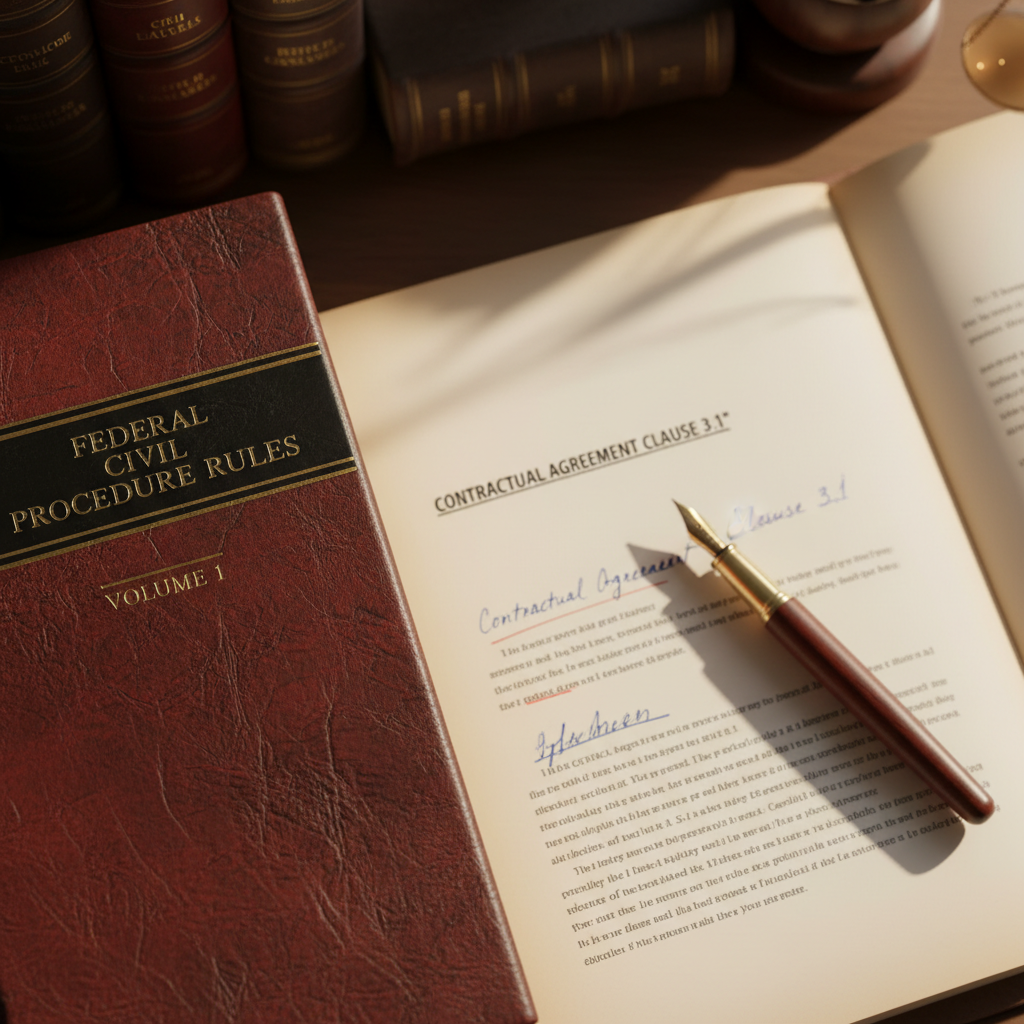
Myth 4: Legal Documents Are Set in Stone
Many people believe that once a legal document is drafted, it is unchangeable. However, legal documents can often be negotiated and amended. Whether you're entering a business contract or signing a lease, discussing terms and negotiating changes is a standard part of the process.
Being proactive in these discussions can lead to more favorable terms and a better understanding of the obligations you're taking on. Never hesitate to question or request modifications if something doesn't seem right.
Conclusion: Empower Yourself with Knowledge
Understanding legal documents doesn't require a law degree, but it does require a willingness to learn and ask questions. By debunking these common misconceptions, individuals can approach legal documents with confidence and clarity. Remember, knowledge is power, and being informed can prevent many legal pitfalls.