Common Mistakes to Avoid When Creating Legal Documents


Understand the Importance of Clarity
One of the most critical aspects of creating legal documents is ensuring clarity. Legal jargon can often be overwhelming, leading to misunderstandings. It's essential to write in a straightforward manner, avoiding unnecessary complexity. Use plain language whenever possible to ensure that the document is accessible to all parties involved.
Additionally, avoid ambiguous terms that can lead to disputes. Clearly define any terms that might be open to interpretation. This clarity is crucial in preventing future conflicts and ensuring that all parties have a mutual understanding of the document’s content.
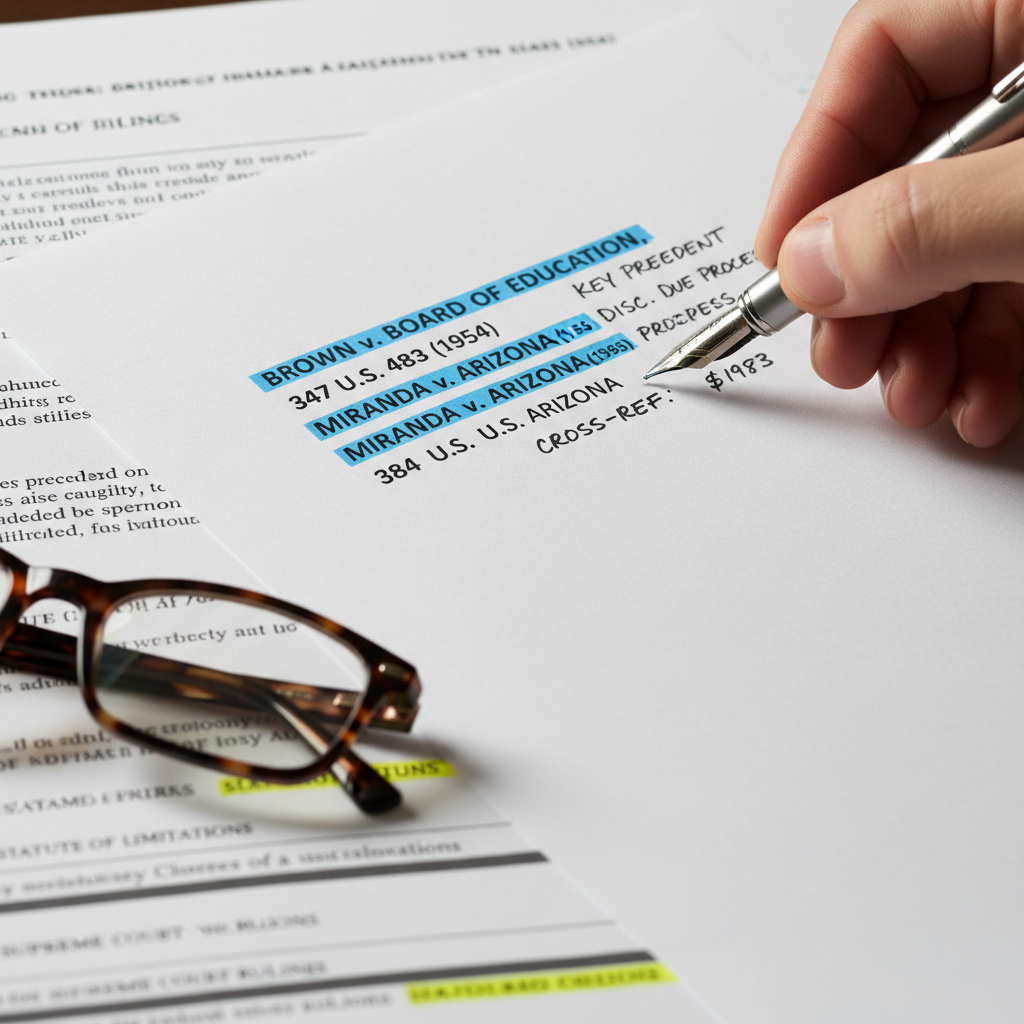
Ensure Accurate Information
Another common mistake in legal document creation is the inclusion of inaccurate or outdated information. Legal documents must reflect the most current data and legal standards. Regularly update templates and verify the accuracy of all details before finalizing the document.
It is also important to cross-check all references and citations. Incorrect citations can undermine the credibility of the document and may even lead to legal challenges. Always double-check to ensure all information is precise and up-to-date.
Pay Attention to Formatting
Formatting may seem like a minor detail, but it plays a significant role in the professionalism of a legal document. Consistent formatting helps maintain readability and ensures that the document is easy to navigate. Use headings, bullet points, and numbered lists to organize information clearly.

Moreover, ensure that all sections are properly aligned and that there is a logical flow to the content. Proper formatting not only enhances readability but also demonstrates attention to detail, which is critical in legal documentation.
Include All Necessary Elements
Legal documents must contain all essential elements to be valid. Missing critical components, such as signatures, dates, or witness information, can render the document ineffective. Create a checklist to ensure that all necessary elements are included before finalizing the document.
Additionally, confirm that all parties involved have access to the final version of the document. This transparency is vital for maintaining trust and ensuring that everyone is on the same page.

Review and Proofread Thoroughly
Even small errors in legal documents can have significant consequences. Always review and proofread the document multiple times before finalizing it. Look for typos, grammatical mistakes, and any inconsistencies in the content.
Consider having a legal professional or a colleague review the document as well. A fresh set of eyes can often catch errors that you might have missed. This extra step ensures the document is polished and professional.
Be Aware of Legal Requirements
Each type of legal document may have specific requirements depending on the jurisdiction. Familiarize yourself with the relevant legal standards and ensure compliance with all local laws and regulations. Failure to do so can result in the document being deemed invalid.

Consult legal experts if you are unsure about any requirements. Their expertise can provide valuable guidance and help you avoid costly mistakes.