Debunking Myths About DIY Legal Documents


Understanding DIY Legal Documents
In recent years, the popularity of DIY legal documents has surged, fueled by the convenience and cost-effectiveness they offer. However, misconceptions about their reliability and effectiveness can lead to potential pitfalls. This post aims to debunk some common myths surrounding DIY legal documents, providing a clearer perspective on their use.
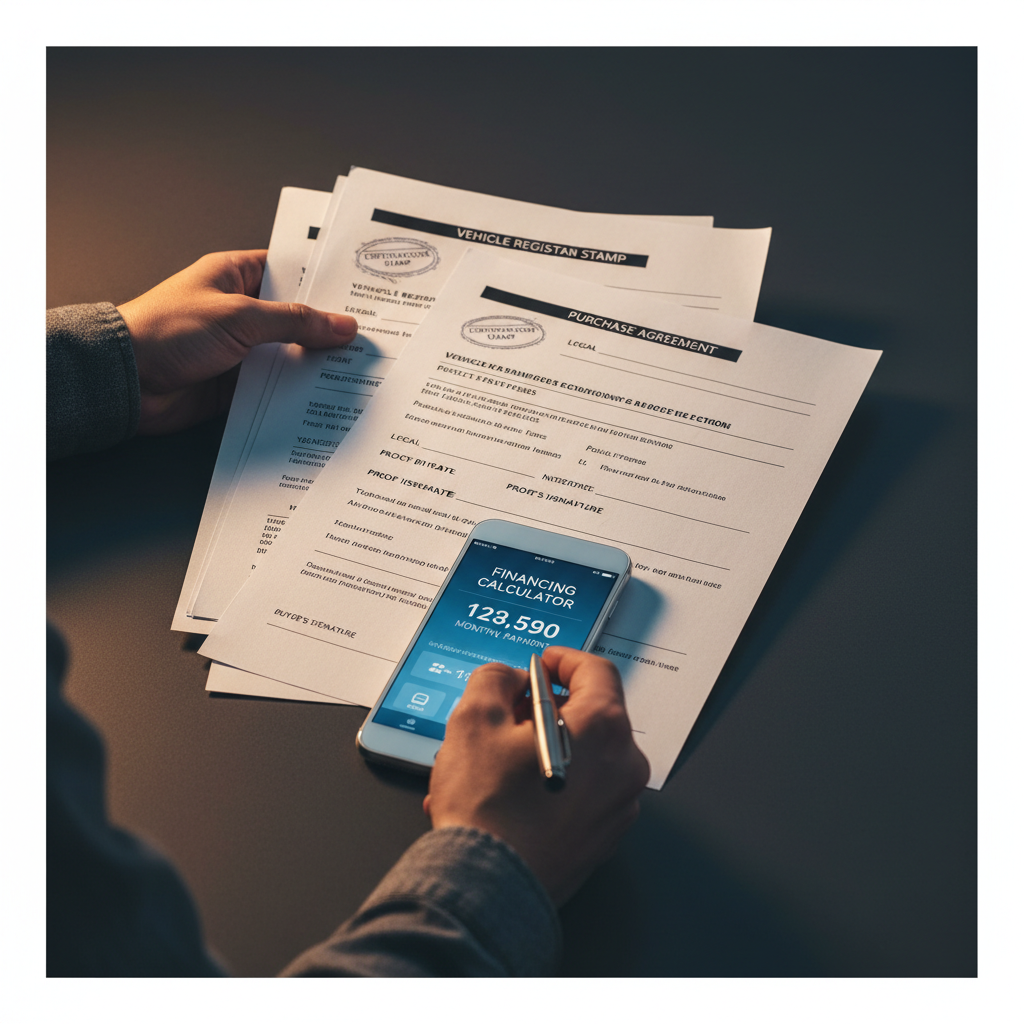
Myth 1: DIY Legal Documents Are Universally Applicable
One of the most prevalent myths is that DIY legal documents work for every situation. While they might be suitable for straightforward cases, complex legal matters often require personalized attention from a legal professional. It's crucial to understand that these templates are designed for general use and may not cover specific legal nuances.
Myth 2: They Are Always Legally Binding
Another misconception is that all DIY legal documents are automatically legally binding. The enforceability of a document depends on its compliance with state laws and regulations. If a DIY document lacks any necessary components, it might be rendered invalid—jeopardizing the protections it was intended to provide.
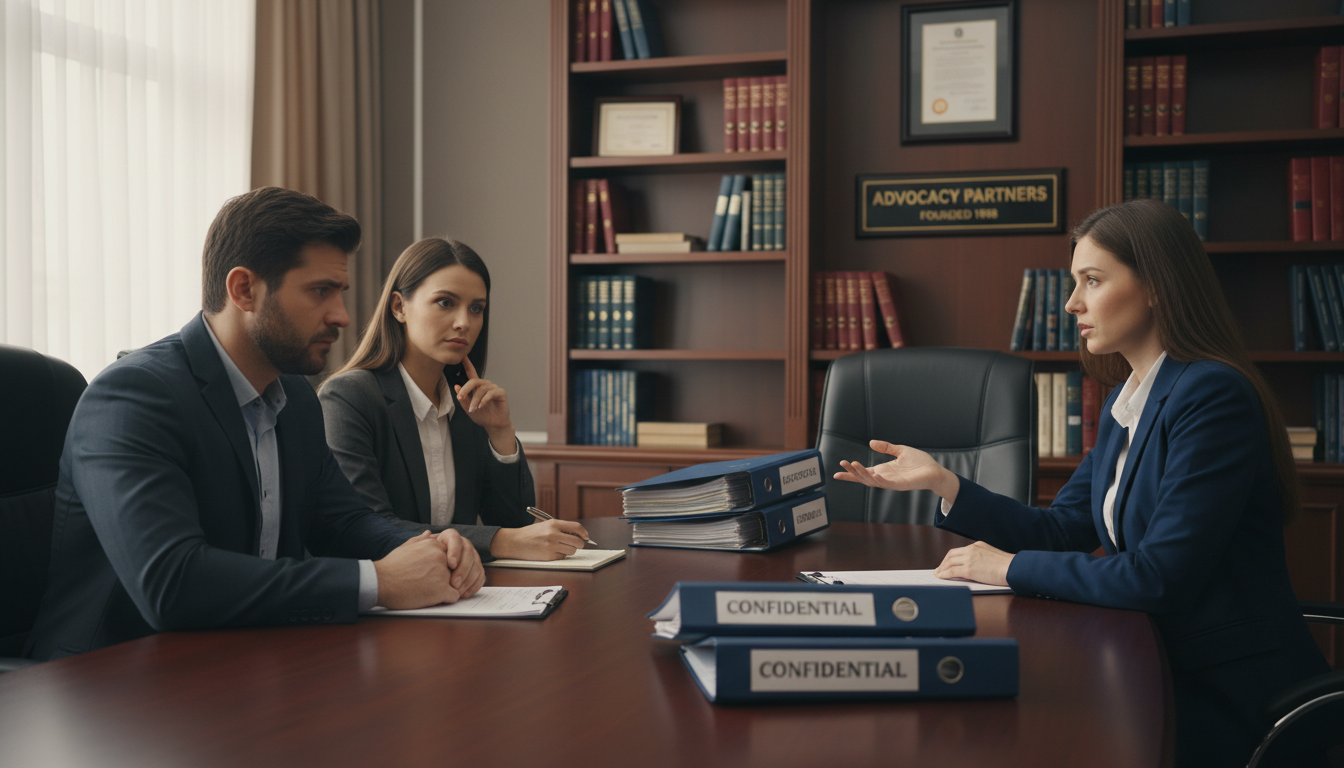
The Role of Legal Expertise
While DIY documents can be a starting point, the guidance of a legal expert is often invaluable. Lawyers can tailor documents to meet specific needs, ensuring compliance with local laws and addressing any unique circumstances. This personalized approach often enhances the reliability and enforceability of legal documents.
Myth 3: DIY Is Always Cheaper
Cost savings are a significant draw for those considering DIY legal options. However, opting for a DIY approach without understanding the potential legal implications can lead to costly errors in the long run. Legal mistakes might necessitate hiring an attorney to rectify issues, ultimately resulting in higher expenses.
Myth 4: Online Templates Are Up-to-Date
Many people assume that online templates are always current with the latest legal standards. Unfortunately, this isn't always the case. Laws frequently change, and outdated templates may not meet new legal requirements. Regular consultation with a legal professional ensures that documents remain compliant with evolving laws.

Making Informed Decisions
When considering DIY legal documents, it's essential to weigh the pros and cons carefully. While they offer convenience and initial cost savings, the risks associated with potential inaccuracies and legal non-compliance can outweigh these benefits. A balanced approach, combining DIY efforts with professional advice, often yields the best results.
In conclusion, DIY legal documents can be a useful tool for simple legal matters. However, understanding their limitations and seeking professional guidance when necessary is key to ensuring they serve their intended purpose effectively and legally.