How to Choose the Right Legal Document for Your Needs


Understanding Your Legal Needs
Choosing the right legal document is crucial for the success of any personal or business endeavor. Whether you're drafting a will, forming a partnership, or signing a lease, understanding your needs is the first step. It's important to consider the purpose of the document and the legal implications it carries.

Common Types of Legal Documents
There are various legal documents, each serving a specific function. Some common types include:
- Contracts: Used for agreements between parties.
- Wills: Essential for estate planning.
- Leases: Outline terms for property rental.
- Non-Disclosure Agreements (NDAs): Protect confidential information.
Understanding the purpose of each document helps in making the right choice for your specific situation.
Consulting a Legal Expert
While some documents can be drafted using templates, consulting with a legal expert is often beneficial. An attorney can provide tailored advice and ensure that the document complies with local laws and regulations. This is especially important for complex agreements or when significant assets are involved.

Using Online Resources
Today, numerous online platforms offer templates and guidance for creating legal documents. These resources can be a convenient starting point, especially for straightforward documents. However, it's vital to ensure that any template you use is up-to-date and legally valid in your jurisdiction.
Reviewing and Understanding the Document
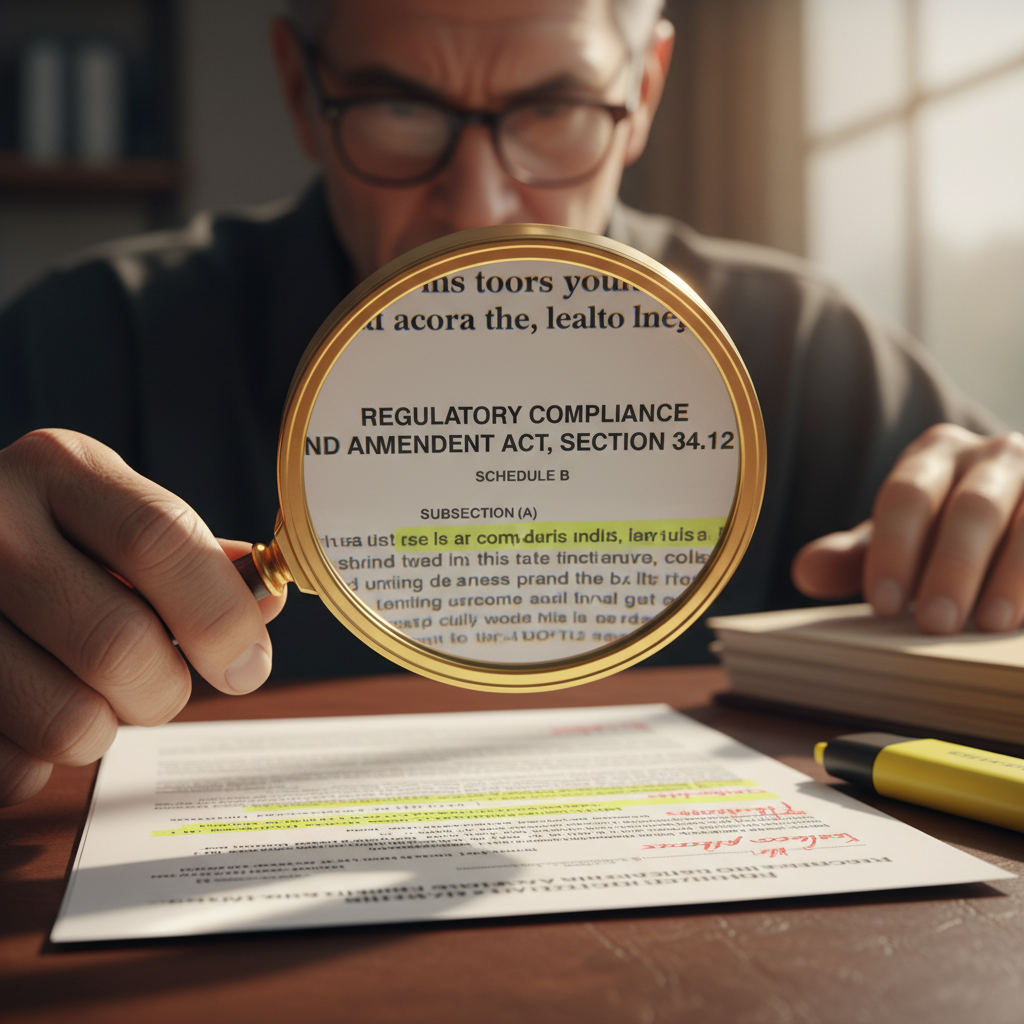
Before finalizing any legal document, thoroughly review its terms and conditions. Ensure that all parties involved clearly understand their rights and obligations. Misinterpretations can lead to disputes, so clarity is key.
Finalizing the Document
Once the document is drafted and reviewed, it's time to finalize it. This often involves signatures from all parties and, in some cases, notarization. Keeping a copy for your records is essential for future reference.
Updating Legal Documents
Life and business circumstances change, and so should your legal documents. Regularly reviewing and updating them ensures they remain relevant and effective. This proactive approach can prevent future complications.

By understanding your needs, seeking expert advice, and staying informed, you can choose the right legal document with confidence. Whether you handle it yourself or with the help of a professional, ensuring accuracy and compliance is key to protecting your interests.