How to Organize Your Legal Documents Efficiently


Understanding the Importance of Organizing Legal Documents
Managing legal documents can feel overwhelming, but ensuring they're organized is crucial. Proper organization not only saves time but also reduces stress when you need to access important papers. Knowing exactly where everything is can make all the difference in critical situations.

Gather All Your Documents
The first step in organizing your legal documents is gathering everything in one place. This includes birth certificates, wills, property deeds, and any other legal paperwork. Having all documents together helps you assess what you have and what might be missing.
Categorize Your Documents
Once you've gathered everything, categorize your documents by type. You might consider categories such as personal identification, property, financial, and medical records. This step simplifies the filing process and makes retrieval more efficient.
Choose the Right Storage Method
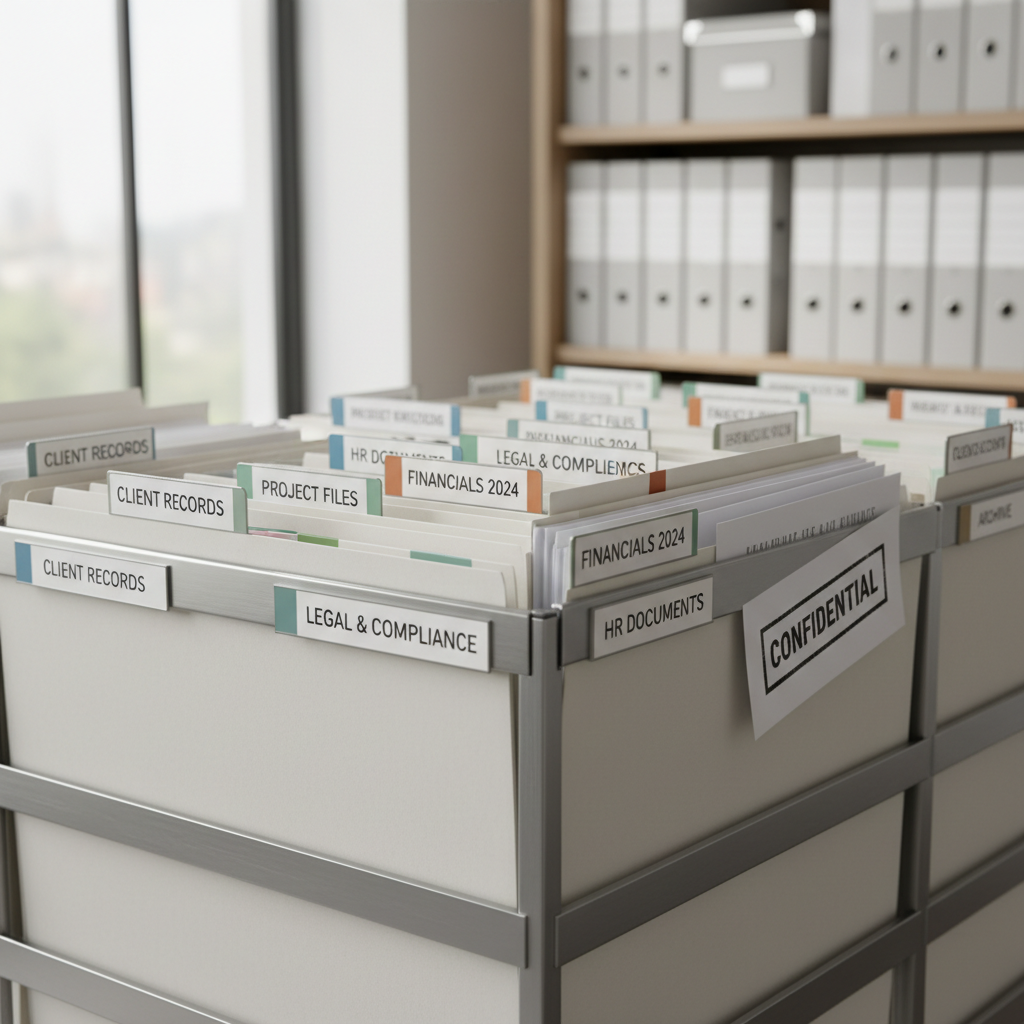
Decide whether you prefer physical or digital storage. Physical storage involves using file cabinets or binders, while digital storage includes scanning documents and saving them on a cloud service. Each method has its pros and cons, so choose what best suits your needs.
For physical storage, use labeled folders and a filing cabinet to keep everything neatly in place. For digital storage, ensure your files are backed up and encrypted for security. Regularly update your system to accommodate new documents.
Create a Filing System
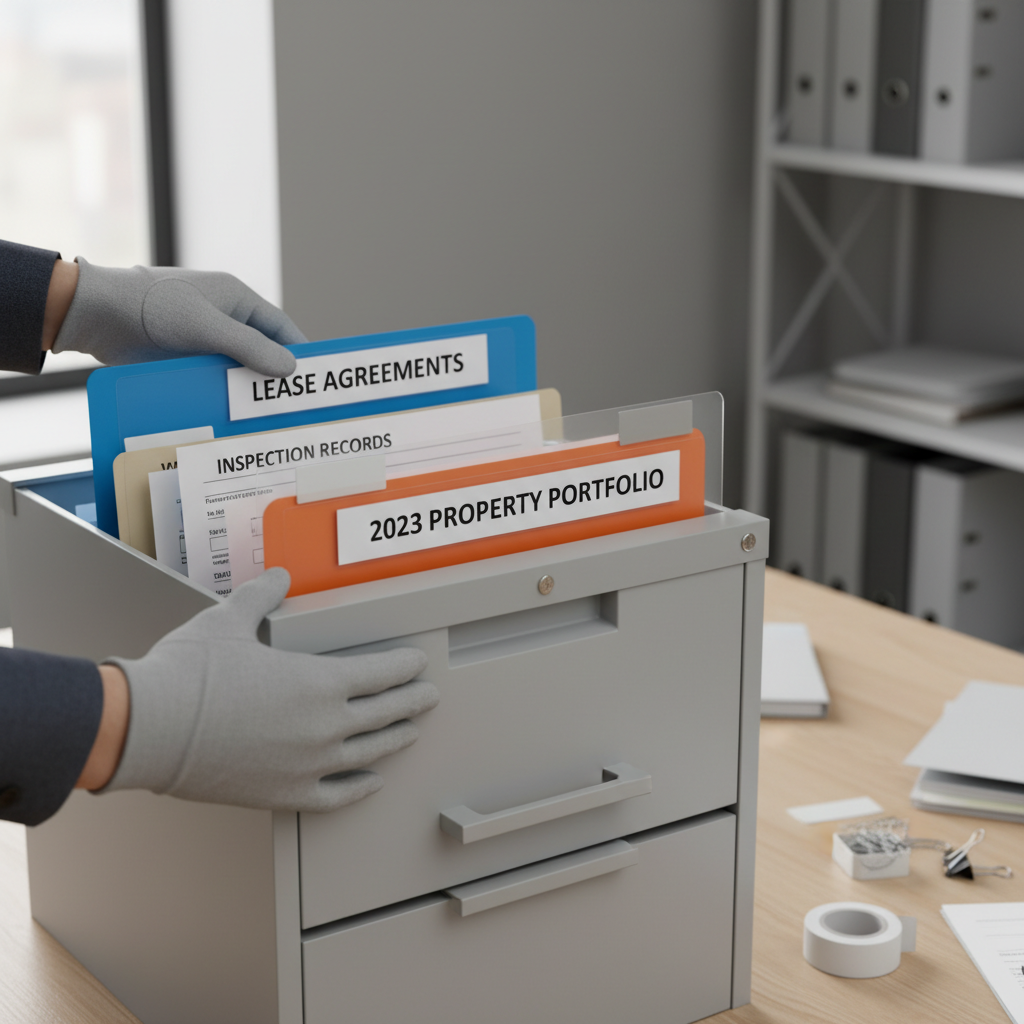
Establish a consistent filing system. You might use alphabetical, numerical, or chronological order. Ensure that your method is logical and easy to follow. A clear system will make it easier to locate documents quickly and efficiently.
Regularly Review and Update
Set a schedule to review your documents at least once a year. During this time, remove outdated paperwork and add new documents. Keeping your files current prevents clutter and ensures that you always have the most relevant information at hand.

Develop a Backup Plan
Always have a backup plan for critical documents. If you opt for physical storage, consider keeping copies in a safe deposit box. For digital files, use multiple cloud services or external hard drives. This ensures your documents are safe in case of an emergency.
Organizing legal documents efficiently may take some initial effort, but the long-term benefits are well worth it. By following these steps, you can ensure that your important papers are always accessible and secure.